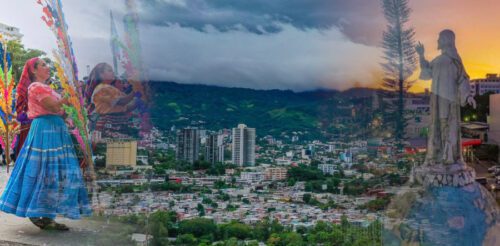
 Culture of El Salvador.
El Salvador’s culture is a vibrant mixture shaped by Indigenous roots, Spanish colonial heritage, and modern global influences. From colorful festivals to culinary traditions, this blend not only defines daily life but also draws travelers seeking authentic cultural experiences.
For those living in El Salvador, whether long-time residents or returnees from abroad, daily life in El Salvador reflects a constant balance between heritage and modernity.
From small-town celebrations to urban art movements, culture in El Salvador continues to evolve, offering both locals and newcomers a rich environment where history and contemporary life coexist.
Historical Roots of Salvadoran Culture
El Salvador’s cultural identity emerged through centuries of interaction between Indigenous civilizations and Spanish colonization. Their traditions, languages, beliefs, and customs blended over time, creating a rich cultural heritage that continues shaping Salvadoran life today.
The Pipil, Lenca, and Maya established the earliest foundations of Salvadoran culture. Their farming methods, spiritual beliefs, and oral traditions influenced generations, leaving a lasting legacy reflected in festivals, cuisine, and many rural customs.
Nahuat, the language of the Pipil, still survives through words incorporated into Salvadoran Spanish. Pipil mythology, filled with deities, natural forces, and ancestral spirits, continues influencing folklore, storytelling, and seasonal celebrations throughout the country.
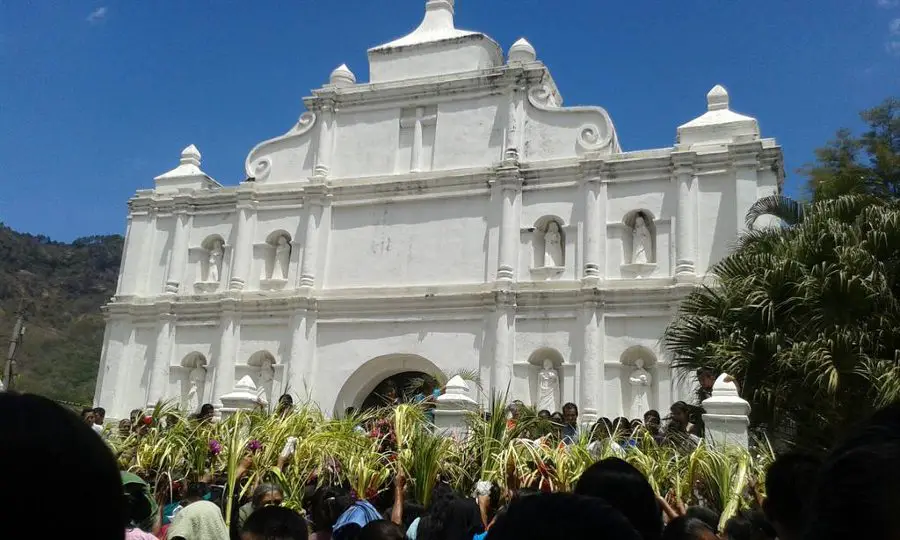
Lenca traditions remain visible through handcrafted pottery, weaving, mountain folklore, and agricultural rituals. Their deep respect for the land and water continues inspiring planting cycles, harvest celebrations, and community values rooted in environmental stewardship.
Spanish colonization introduced Catholicism, monumental churches, and a new social and economic order. European institutions blended with Indigenous resilience, reshaping Salvadoran society while producing cultural traditions and practices that continue to define the nation.
Over time, Indigenous heritage and Spanish influences merged into mestizaje, the defining characteristic of Salvadoran identity. This cultural blending shaped language, food, music, art, and traditions, preserving ancestral roots while allowing Salvadoran culture to evolve across generations.
Salvadoran Customs and Traditions
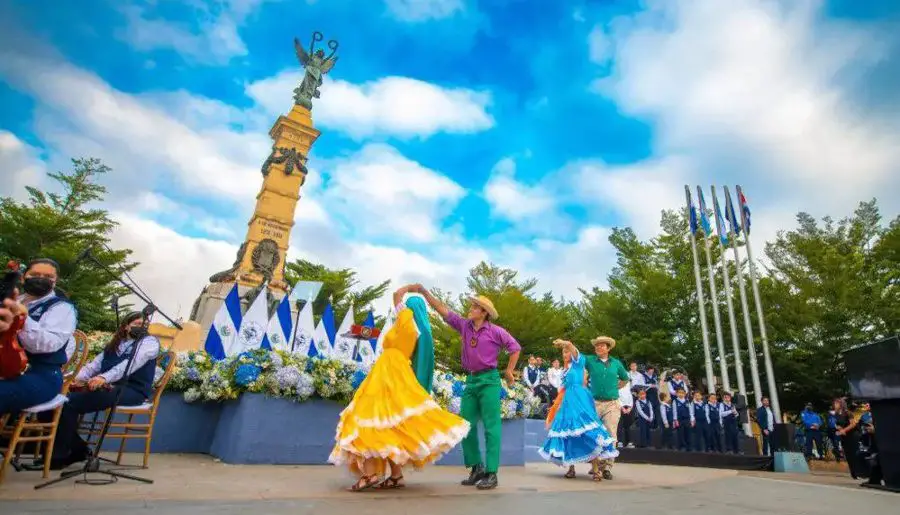
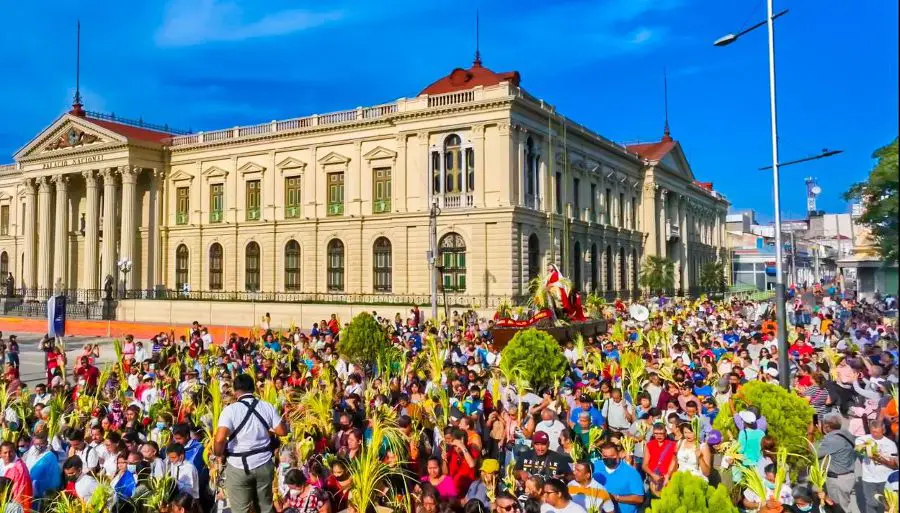
El Salvador’s culture thrives on customs and traditions, many of which trace back to colonial times. Among the most celebrated festivities are the Holy Week, the August holidays, the Santa Ana festival, and the San Miguel carnival.
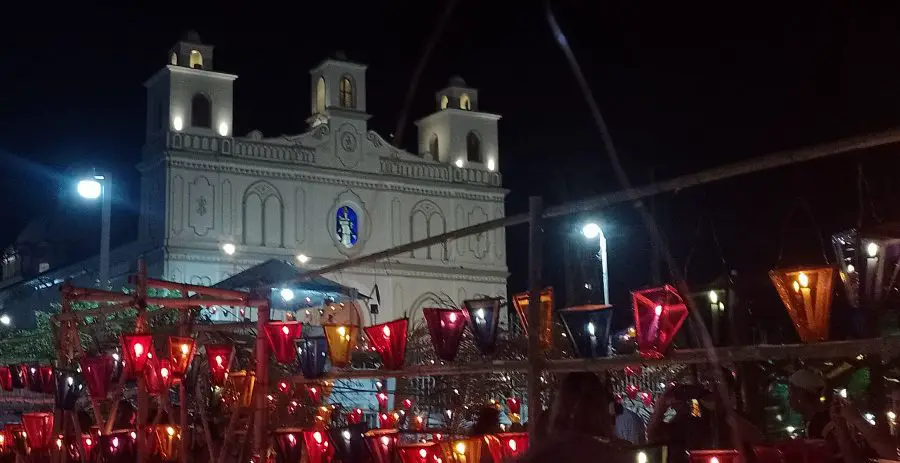
Across the country, municipalities and districts hold their own patronal festivals, honoring either a community’s patron saint or its historical roots.
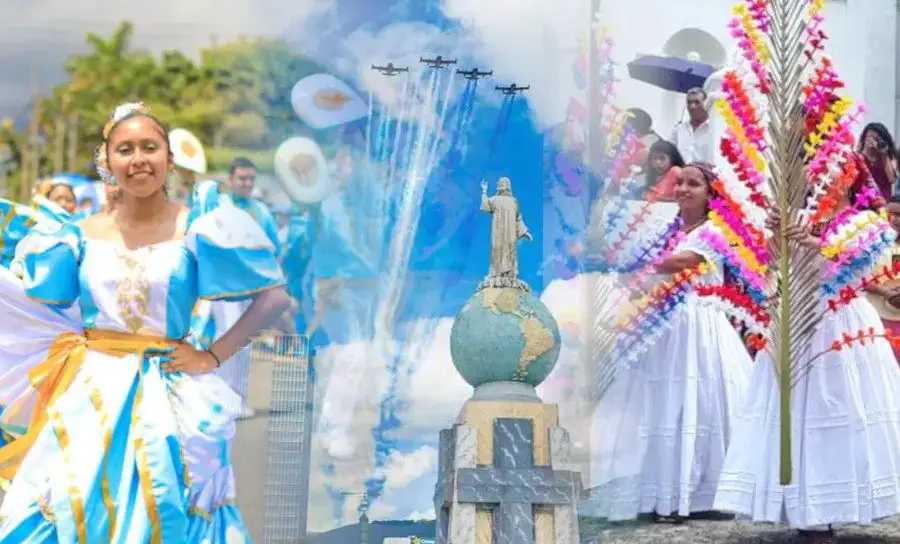
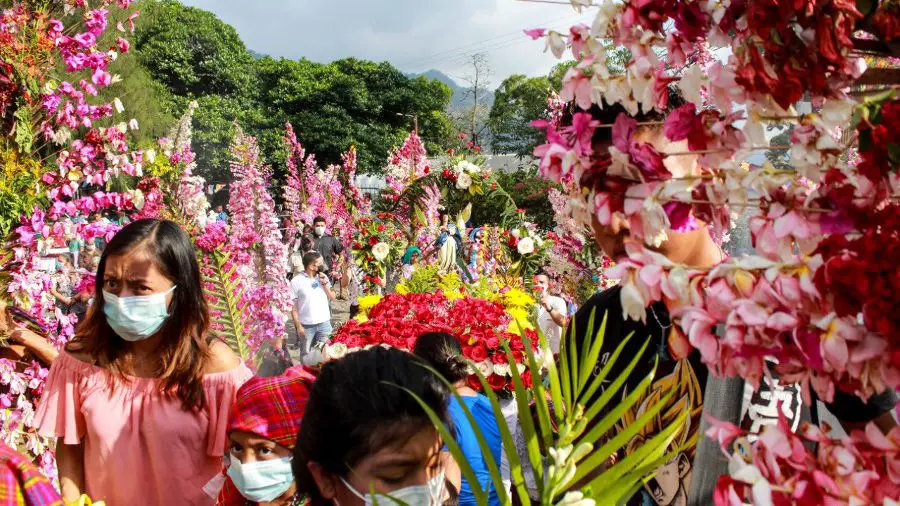
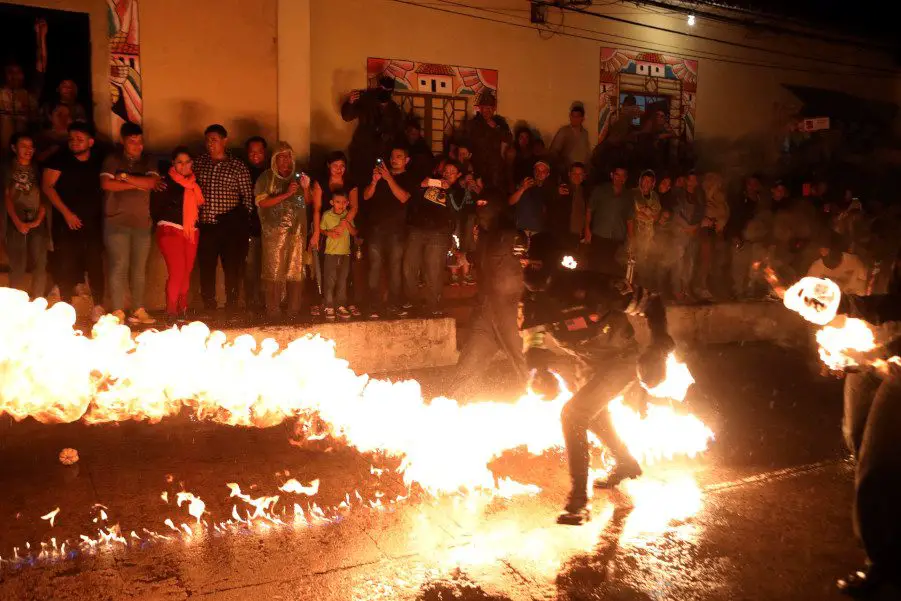
These local festivities blend religion with entertainment, attracting both residents and visitors. Some examples include the Nejapa “Balls of Fire” festival, the Day of the Cross, and Panchimalco’s Palms and Flowers festival.
Religion has been and continues to be inseparable from Salvadoran identity, influencing traditions, art, and everyday life.
Catholicism, introduced during colonial times, continues to shape values, with processions, saints’ festivals, and masses uniting communities across the nation.
Major holidays such as Semana Santa, Christmas, and local patron saint days reflect Catholic influence. Customs such as street processions, elaborate altars, and family gatherings preserve spiritual devotion while reinforcing cultural cohesion.
Salvadoran customs and traditions reveal more than celebration—they showcase a living culture where history, faith, and community intertwine. From patronal festivals to religious holidays, each ritual reflects resilience, identity, and the enduring spirit that continues to define El Salvador.
Local Festivals
Salvadoran culture comes alive through more than holidays and religious traditions. Festivals celebrating food, art, music, and community play an equally important role in preserving the country’s heritage and strengthening its cultural identity.
These Salvadoran festivals reveal the nation’s creativity, resilience, and diverse heritage, offering visitors a truly authentic experience.
Food is central to Salvadoran identity, and no event captures this better than the Pupusa Festival in Olocuilta, where the national dish takes the spotlight.
Other celebrations, like Juayúa’s Gastronomic Festival, allow visitors to sample tamales, atol, seafood, and regional specialties, blending flavor with cultural pride.
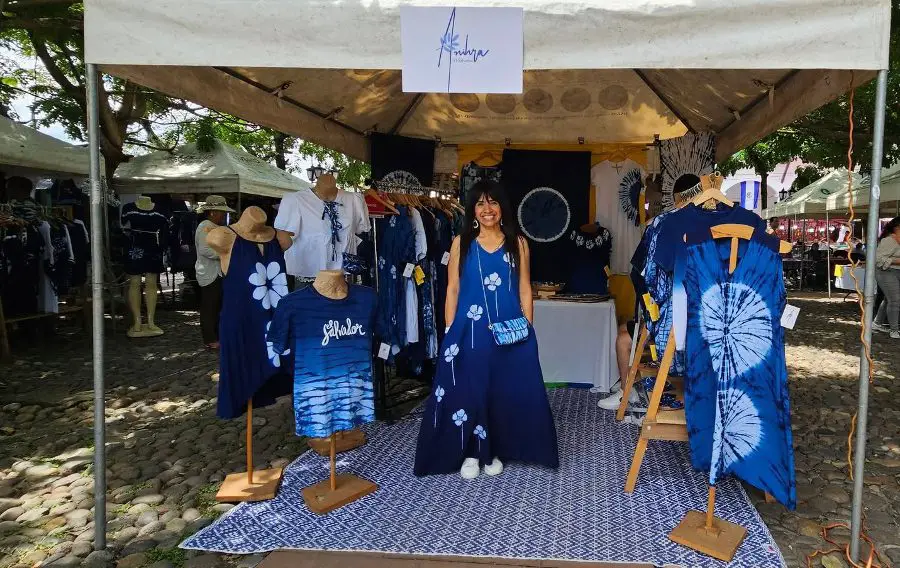
At festivals like Suchitoto’s Indigo Festival and San Sebastián’s weaving fairs, artisans bring ancient techniques to life. Colorful textiles, pottery, and woodwork tell stories of Salvadoran creativity, mixing old traditions with fresh, modern influences.
Local festivals strengthen Salvadoran communities by blending faith, history, and local traditions. Panchimalco’s Festival of Flowers and Palms, for example, combines religious devotion with Indigenous customs, reflecting the layered identity that defines El Salvador’s cultural spirit.
Food and Cuisine
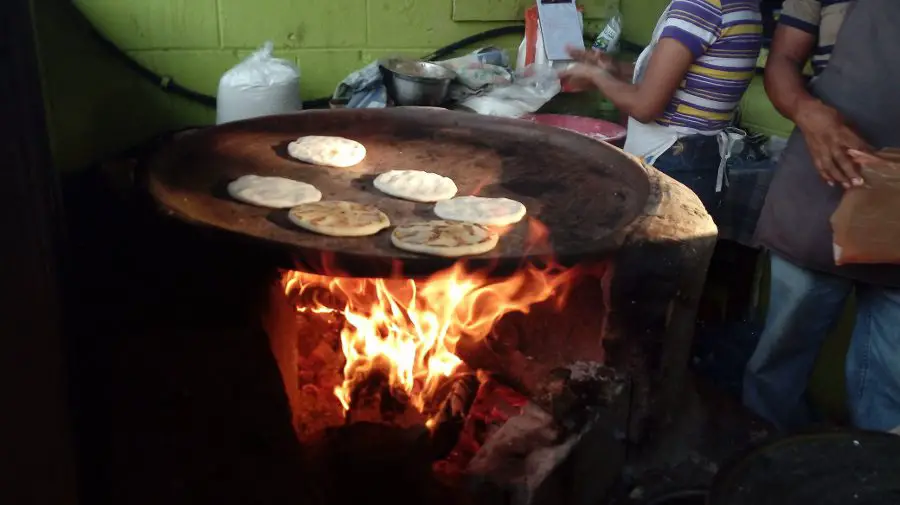
El Salvador’s cuisine reflects its culture—simple, flavorful, and rooted in tradition. From handmade tortillas to tropical fruits, every dish tells a story of heritage, community, and everyday life in Salvadoran culture.
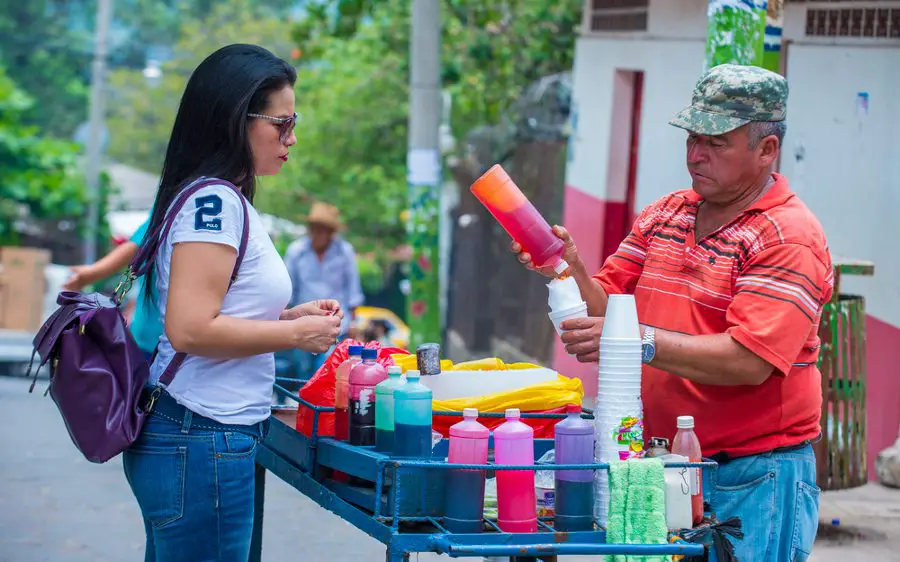
Pupusas, El Salvador’s national dish, are thick corn tortillas stuffed with cheese, beans, or pork. Served with curtido and salsa, they’re enjoyed everywhere, from roadside stalls to family kitchens and festivals.
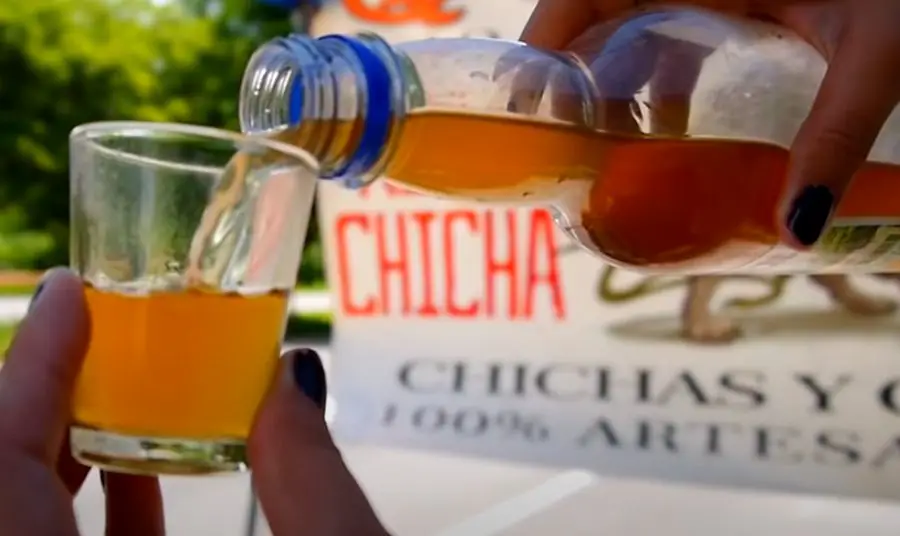
Traditional beverages complete Salvadoran meals. Horchata, made from morro seeds, offers a nutty sweetness, while atol de elote, a warm corn-based drink, comforts families during gatherings and religious celebrations.
Tropical fruits burst with flavor across Salvadoran markets. Mangoes, jocotes, papayas, and tamarind provide refreshing snacks, often eaten with chili and salt, showing how fresh produce anchors the Salvadoran diet.
Street food thrives in Salvadoran towns and cities. Yuca frita with chicharrón, tamales, and riguas—corn pancakes—give locals and visitors alike quick, affordable tastes of the country’s culinary diversity.
Traditional dishes like sopa de res, a hearty beef soup with vegetables, and panes con pollo, seasoned chicken sandwiches, highlight regional flavors that families prepare for celebrations and special occasions.
Cuisine in El Salvador goes beyond nourishment. It unites families, celebrates heritage, and shares culture with the world, making food one of the strongest symbols of Salvadoran identity.
Arts and Crafts
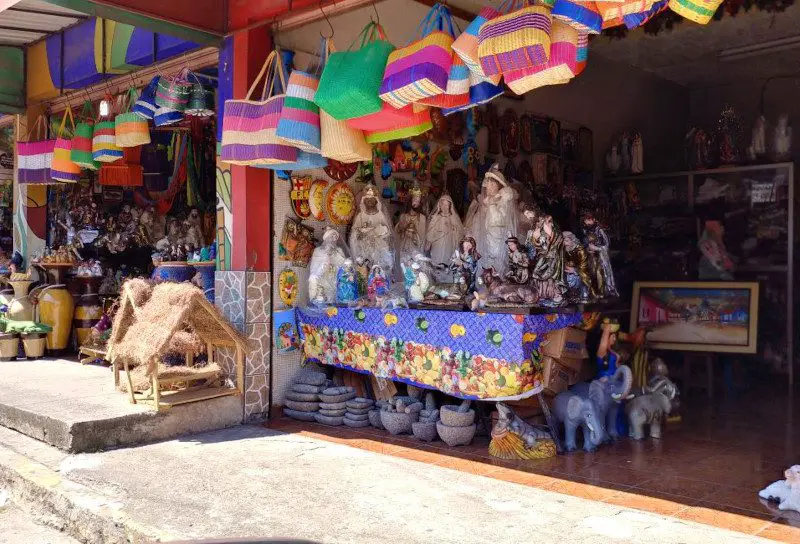
El Salvador is well-known for its colorful arts and crafts, especially those produced in small, vibrant towns. These creations are more than souvenirs—they preserve traditions and highlight the creativity at the heart of Salvadoran culture.
Ilobasco is famous for its clay artifacts, crafted with generations-old techniques. Miniature figurines, decorative pottery, and detailed sculptures showcase local artistry while keeping Indigenous and colonial influences alive through form and design.
In Chalatenango, the town of La Palma is home to Naïf art, a colorful style invented by Fernando Llort. This form of painting celebrates rural life, faith, and community with symbolic yet straightforward designs.
San Sebastián thrives on its weaving traditions. Colorful looms produce hammocks, textiles, and traditional garments that not only represent Salvadoran identity but also provide economic support for families through artisanal craftsmanship.
Nahuizalco is known for furniture and artifacts made from wicker and tule. These handcrafted pieces reflect both Indigenous resourcefulness and modern creativity, combining practicality with cultural pride in everyday objects.
Together, these towns and their artisans reflect El Salvador’s cultural richness. From clay and textiles to woodwork and painting, arts and crafts serve as living symbols of history, resilience, and identity.
El Salvador’s arts and crafts attract travelers seeking authenticity. Visiting Ilobasco, La Palma, San Sebastián, or Nahuizalco offers more than shopping—it’s a chance to experience living traditions and connect directly with Salvadoran culture. Some of these towns are part of El Salvador artisanal tourist route.
The People
Salvadorans are known for being family-oriented, welcoming, and deeply connected to tradition. Family relationships are at the center of daily life, and it is common for older relatives to live with their children rather than independently.
In many towns and rural communities, extended families often live near one another, strengthening lifelong relationships and creating close-knit neighborhoods where relatives regularly share responsibilities, celebrate milestones, and support each other through everyday life.
Hospitality is another defining characteristic of Salvadoran culture. Visitors are often welcomed with genuine warmth, home-cooked meals, friendly conversation, and generous hospitality, even in households where financial resources or material comforts may be limited.
This spirit of generosity extends beyond family and close friends to neighbors and strangers. Acts of kindness, mutual support, and community cooperation reflect cultural values that emphasize solidarity, compassion, and caring for one another.
Religion remains an important part of everyday life for many Salvadorans. Homes often display crosses, images of saints, or other devotional symbols. At the same time, Sundays are traditionally dedicated to church services and family gatherings.
Beyond family and faith, Salvadorans express their cultural identity through music, traditional cuisine, festivals, and community celebrations. These shared experiences preserve customs, strengthen social bonds, and reinforce a deep sense of national pride.
Together, these values demonstrate that Salvadoran culture is far more than a collection of traditions. It is a living identity built on family, faith, generosity, and community, connecting generations while shaping everyday life throughout the country.
Nicknames for Salvadorans
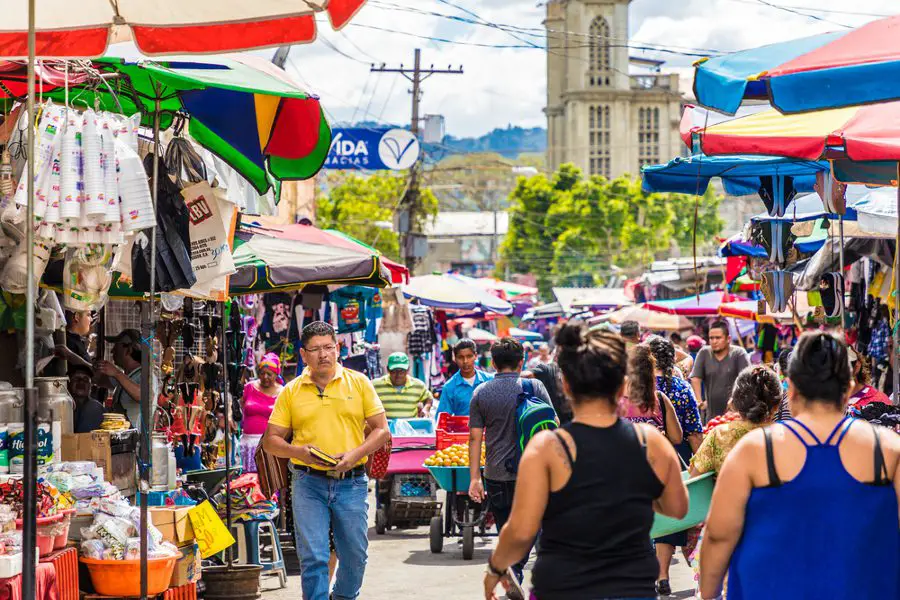
Nicknames are a significant part of El Salvador’s culture. Almost everyone has one, usually given by friends or family as a term of affection, and some extend to national identity.
The most common nickname for Salvadorans is Guanaco (for men) or Guanaca (for women). Most Salvadorans proudly accept it, and it’s widely used both within and outside the country.
Another nickname, Salvatrucho or Salvatrucha, carries a negative connotation. Many Salvadorans dislike it because of its association with the international gang MS-13, making it one of the more controversial labels.
Cuscatleco is a traditional nickname tied to the ancient Pipil name for the Salvadoran region, Cuscatlán. It’s more common among older generations and less frequently heard in daily conversation today.
In the United States, first-generation Salvadorans often use the term Salvi. However, many Salvadorans born in El Salvador dislike being called Salvis, since the nickname feels foreign and disconnected from their cultural roots.
Together, these nicknames highlight how Salvadorans see themselves and how others perceive them. While some are used with pride, others carry sensitivities that reflect the complex history of Salvadoran identity.
Religion in El Salvador culture
Religion shapes much of Salvadoran culture, profoundly influencing traditions, values, and community life. From its Catholic roots to its Evangelical growth, faith continues to shape the country’s identity and daily practices.
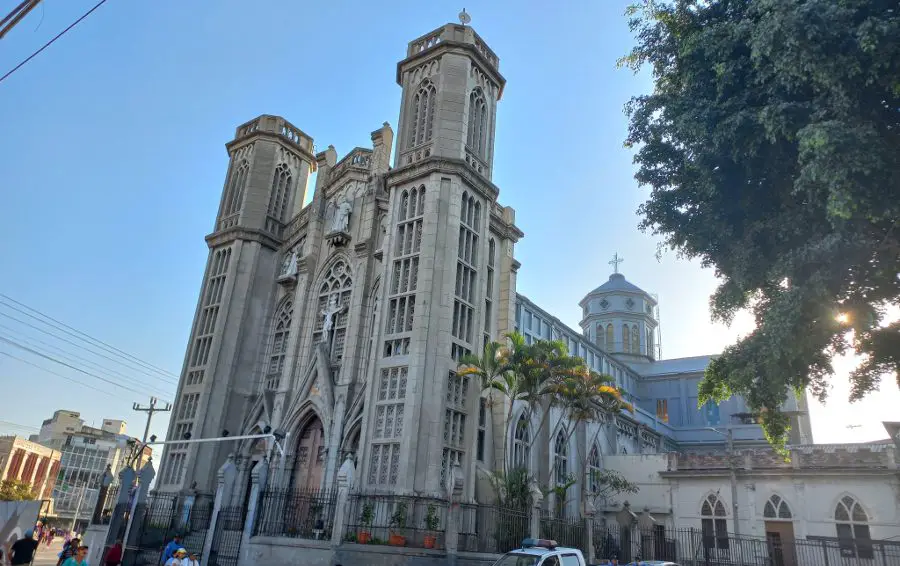
Catholicism remains the dominant religion, brought during Spanish colonization. Churches, patron saint festivals, and religious schools anchor communities, preserving faith as a central force in Salvadoran history and society.
In recent decades, Evangelical churches have rapidly expanded across the country. Their emphasis on personal faith, community support, and dynamic worship reshaped the religious landscape, offering alternatives to traditional Catholic structures.
Pre-Columbian beliefs merge with Christian practices in many communities. Traditions like honoring saints alongside nature spirits reflect a layered spirituality where Indigenous heritage and Christian devotion coexist in daily rituals.
Religion in El Salvador goes beyond worship. It shapes family life, art, music, and festivals, reinforcing shared values and providing Salvadorans with both spiritual guidance and cultural cohesion.
Most Salvadorans believe in religion! Although many do not have a religious affiliation, their cultural behavior is still influenced by religion.
Languages Spoken in El Salvador
Spanish is the official language of El Salvador, used in all business, education, and daily interactions. It is the primary means of communication and the cultural backbone of Salvadoran society.
English is the country’s second most familiar language, mainly due to Salvadorans who lived abroad in the United States, Canada, or Europe and later returned home. Their influence has made English increasingly common.
Today, business, tourism, and international relations fuel the demand for English. Many Salvadorans study it as a valuable skill that opens opportunities in education, employment, and global connections.
A smaller linguistic tradition still survives in El Salvador: Pipil, the Indigenous language of the Pipil people. Spoken in towns like Nahuizalco and Panchimalco, it reflects ancestral roots but faces decline.
El Salvador Landmarks: Exploring Iconic Places
Landmarks in El Salvador reflect the nation’s rich cultural heritage, blending Indigenous traditions, Spanish colonial influences, and modern identity. From ancient ruins to historic city centers, each landmark tells a story of resilience, faith, and cultural continuity.
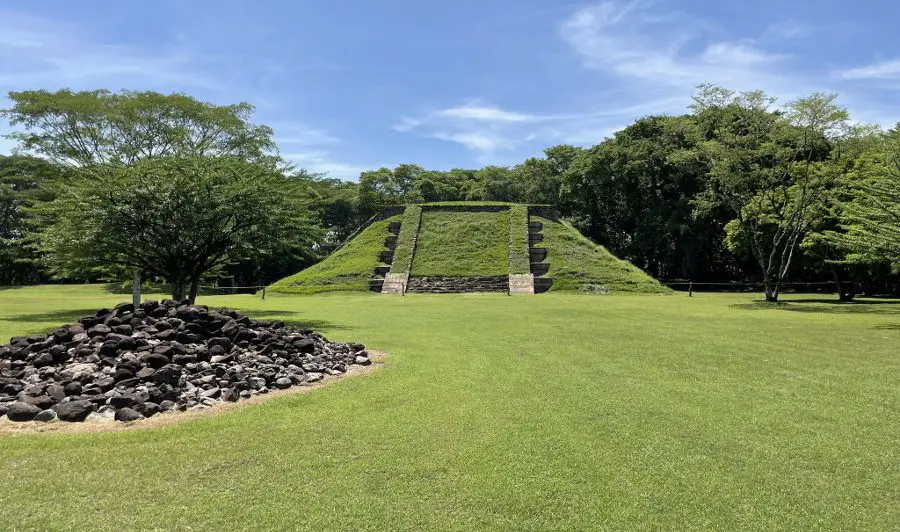
Archaeological sites such as Joya de Cerén and Tazumal preserve the legacy of the Maya and Pipil civilizations. These remarkable places reveal ancient lifestyles, spiritual beliefs, farming practices, and craftsmanship that shaped the region for centuries.
The country’s historic churches, including El Rosario in San Salvador and the Gothic Cathedral of Santa Ana, showcase the lasting influence of Spanish colonial architecture. Their striking designs and religious celebrations reflect Catholicism’s enduring role in Salvadoran culture.
San Salvador’s Historic Downtown is home to landmarks such as the National Palace and the Metropolitan Cathedral. Together, these iconic buildings preserve the nation’s political, religious, and artistic heritage while serving as enduring symbols of national identity.
Together, El Salvador’s landmarks represent far more than impressive architecture or archaeological treasures. They connect history, faith, and community, preserving the country’s diverse heritage while strengthening the cultural identity shared by generations of Salvadorans.
Sports and Popular Pastimes
Sports and pastimes in El Salvador capture the nation’s spirit. From passionate soccer matches to world-class surf breaks, athletics bring Salvadorans together and showcase the country’s talent on global stages.
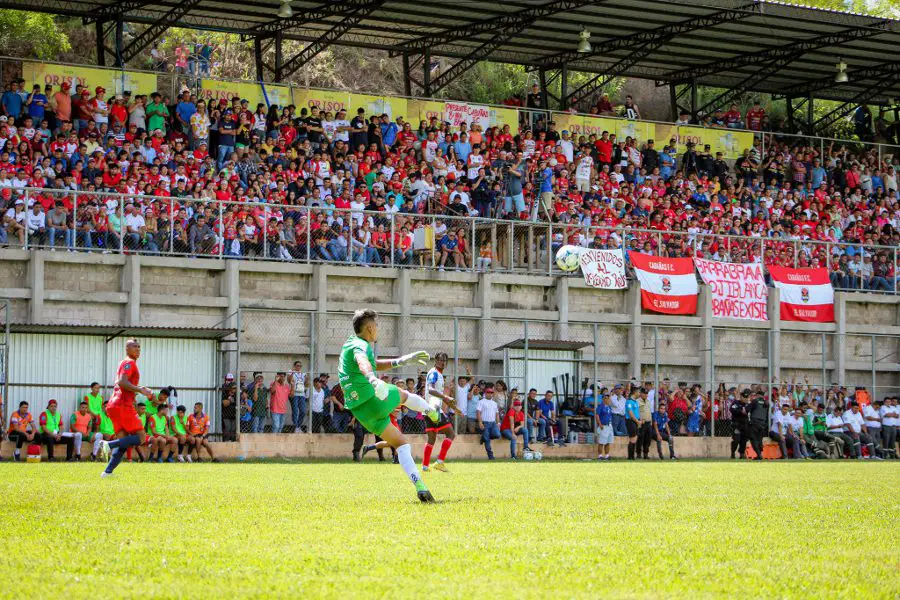
Soccer is El Salvador’s national passion, uniting communities across towns and cities. Matches stir national pride, with memories of World Cup appearances fueling hope for future triumphs and collective celebration.
Beyond soccer, Salvadorans embrace basketball and baseball. Community courts and local leagues keep these sports thriving, offering opportunities for teamwork, competition, and recreation in both rural and urban areas.
Beach soccer has earned El Salvador international recognition. The national team’s fierce spirit on sandy pitches highlights both the country’s athletic versatility and the importance of coastal life in Salvadoran culture.
Surfing defines El Salvador’s global sports identity. Beaches like El Tunco and Punta Roca draw international surfers, turning the coastline into a hub of competition, tourism, and cultural exchange.
Salvadoran Music
Marimba is the most recognized folkloric music of El Salvador, often performed alongside traditional dances that highlight the country’s cultural heritage and bring its history to life through rhythm and movement.
In small towns, lively styles like Chanchona and Zafacaite dominate local celebrations. Chanchona captures rural life with upbeat energy, while Zafacaite’s fast-paced melodies, played with guitar, accordion, and violin, showcase musical creativity.
Dance is inseparable from Salvadoran culture. Whether at home or during festivals, people turn to cumbia, salsa, and other tropical sounds, filling gatherings with movement, joy, and vibrant expression.
Today, modern influences like reggaeton, hip-hop, and international pop blend with Salvadoran traditions. This fusion keeps music fresh, ensuring younger generations embrace global sounds while still honoring their roots.
From infectious tropical rhythms to rural folk traditions and contemporary beats, Salvadoran music tells stories of resilience, creativity, and celebration. It remains a living soundtrack of national identity and cultural pride.
El Salvador’s culture
In summary, El Salvador’s culture is a dynamic blend of Indigenous heritage, Spanish colonial history, and modern influences. Museums across the country offer excellent opportunities to explore and experience this cultural richness firsthand.
The warmth of its people, the variety of traditions, and the depth of its heritage weave together a unique cultural tapestry that captivates both visitors and those who call El Salvador home.
These customs and traditions are what make Salvadoran culture so distinctive and inspiring. Whether visiting or settling here, you’ll encounter a way of life that is vibrant, welcoming, and deeply rooted in history.